Research Article | | Peer-Reviewed

Phytochemical and Heavy Metal Profiles of Foreign and Exotic Apples Sold in Port Harcourt, Nigeria

Received: 12 June 2026     Accepted: 29 June 2026     Published: 22 July 2026
Views:       Downloads:
Abstract

Apples are among the most widely consumed fruits globally due to their nutritional value and abundance of bioactive compounds. However, environmental contamination, agricultural practices, transportation, and storage conditions may influence both their phytochemical composition and heavy metal accumulation, thereby affecting their nutritional quality and safety. This study assessed the phytochemical constituents and heavy metal concentrations of foreign and exotic apples marketed in Port Harcourt Metropolis, Rivers State, Nigeria. A laboratory-based cross-sectional study was conducted between July and December 2025 in two major fruit markets within Port Harcourt Metropolis (Kaduna Street Fruit Garden Market and Ogbunabali Fruit Market). A total of sixteen (16) apple samples comprising foreign and exotic varieties were collected and analyzed. Standard phytochemical analytical procedures were employed to determine the concentrations of alkaloids, flavonoids, glycosides, oxalates, saponins, and tannins. Heavy metal concentrations, including copper (Cu), chromium (Cr), cadmium (Cd), and lead (Pb), were determined using Atomic Absorption Spectrophotometry (AAS) following acid digestion. Data were analyzed using SPSS version 27, and results were expressed as mean ± standard deviation. Statistical significance was set at p < 0.05. Foreign apples exhibited higher concentrations of alkaloids (94.89 ± 1.15 mg/kg and 84.55 ± 0.52 mg/kg), saponins (33.77 ± 0.57 mg/kg and 33.72 ± 0.49 mg/kg), and glycosides (21.80 ± 0.80 mg/kg and 18.68 ± 0.07 mg/kg) across the two sampling stations. Conversely, exotic apples contained higher flavonoid concentrations (65.24 ± 0.14 mg/kg and 75.48 ± 0.54 mg/kg) and tannins at Station 2 (85.55 ± 0.32 mg/kg). Oxalate levels remained relatively low in all samples. Heavy metal analysis revealed consistently higher concentrations of copper, chromium, cadmium, and lead in foreign apples compared with exotic apples. Cadmium concentrations in foreign apples at Station 2 (0.30 ± 0.015 mg/kg) exceeded the recommended international safety limit of 0.20 mg/kg, while lead concentrations in both apple varieties exceeded the permissible limit of 0.05 mg/kg. Significant differences were observed between apple types and sampling locations for most phytochemical and heavy metal parameters (p < 0.05). Both foreign and exotic apples marketed in Port Harcourt possess valuable phytochemical constituents that may contribute to their nutritional and health-promoting properties. However, the elevated concentrations of cadmium and lead detected in some samples raise important food safety concerns. Routine monitoring of heavy metal contamination in fruits, strengthened quality control measures, and improved agricultural and post-harvest handling practices are recommended to ensure consumer safety and maintain fruit quality.

Published in Journal of Food and Nutrition Sciences (Volume 14, Issue 4)
DOI 10.11648/j.jfns.20261404.12
Page(s) 229-240
Creative Commons

This is an Open Access article, distributed under the terms of the Creative Commons Attribution 4.0 International License (http://creativecommons.org/licenses/by/4.0/), which permits unrestricted use, distribution and reproduction in any medium or format, provided the original work is properly cited.

Copyright

Copyright © The Author(s), 2026. Published by Science Publishing Group

Keywords

Apples, Phytochemicals, Heavy Metals, Food Safety, Atomic Absorption Spectrophotometry, Port Harcourt, Nigeria

1. Introduction
Fruits play an essential role in human nutrition and are widely recognized for their contribution to healthy diets and disease prevention . Among these fruits, apples (Malus domestica) are one of the most consumed fruits worldwide due to their appealing taste, availability, and rich nutritional composition . Apples provide important nutrients, including dietary fiber, vitamins, minerals, and a wide range of phytochemicals that possess antioxidant and anti-inflammatory properties . Regular consumption of apples has been associated with several health benefits, including improved cardiovascular health, better glycemic control, enhanced gut function, and reduced risk of certain chronic diseases .
The health-promoting properties of apples are largely attributed to their phytochemical constituents as phytochemicals are naturally occurring bioactive compounds synthesized by plants as part of their defense and metabolic systems . In apples, major phytochemical groups include flavonoids, phenolic compounds, tannins, saponins, alkaloids, and terpenoids . These compounds exhibit strong antioxidant activity and help protect cells against oxidative stress, inflammation, and degenerative diseases . The concentration and composition of phytochemicals in apples may vary depending on cultivar, geographical origin, environmental conditions, harvesting practices, and postharvest handling . Consequently, differences may exist between imported and locally available apple varieties in terms of their nutritional and health-promoting qualities.
Despite their nutritional benefits, apples may also serve as vehicles for chemical contaminants that pose risks to human health. Among these contaminants, heavy metals have received considerable attention due to their persistence in the environment, tendency to bioaccumulate, and potential toxicity even at low concentrations . Heavy metals such as lead (Pb), cadmium (Cd), chromium (Cr), and copper (Cu) can enter the food chain through contaminated soil, irrigation water, atmospheric deposition, industrial emissions, agricultural chemicals, and transportation-related pollution . Once absorbed by fruit crops, these metals may accumulate in edible tissues and subsequently be ingested by consumers.
More also, chronic exposure to lead and cadmium has been linked to neurological disorders, kidney dysfunction, skeletal abnormalities, and cardiovascular diseases, while excessive levels of chromium and copper may result in adverse metabolic and physiological effects . Although some metals such as copper are essential micronutrients required for normal biological functions, their accumulation beyond permissible limits may become harmful to human health . Therefore, continuous monitoring of heavy metal concentrations in commonly consumed fruits remains an important component of food safety assessment.
In Nigeria, apples are among the most popular fruits sold in urban markets and are consumed across different socioeconomic groups . Although the majority of apples available in Nigerian markets are imported, locally cultivated varieties are gradually gaining attention, particularly in northern regions of the country . In cities such as Port Harcourt, fruits are frequently displayed in open markets where they may be exposed to environmental contaminants arising from heavy traffic, industrial activities, dust particles, and other urban pollution sources . Port Harcourt is particularly known for extensive oil and gas operations, industrial emissions, and increasing environmental pollution, factors that may contribute to contamination of fresh produce sold within the metropolis .
While several studies have examined the nutritional value and contamination of fruits in different parts of the world , there remains limited evidence comparing the phytochemical composition and heavy metal content of foreign and locally available apples marketed in Port Harcourt. Furthermore, consumers often perceive imported apples as being superior in quality and safety, yet scientific evidence supporting or refuting this assumption remains scarce. Understanding both the beneficial phytochemical constituents and potential heavy metal contaminants of apples is therefore essential for evaluating their overall quality and safety for human consumption.
This study was undertaken to assess and compare the phytochemical properties and heavy metal concentrations of foreign and locally available apples sold in selected fruit markets within Port Harcourt metropolis. The findings are expected to provide valuable information for consumers, food safety regulators, public health authorities, and agricultural stakeholders seeking to promote safe fruit consumption and improve food quality monitoring systems.
2. Materials and Methods
Study Area
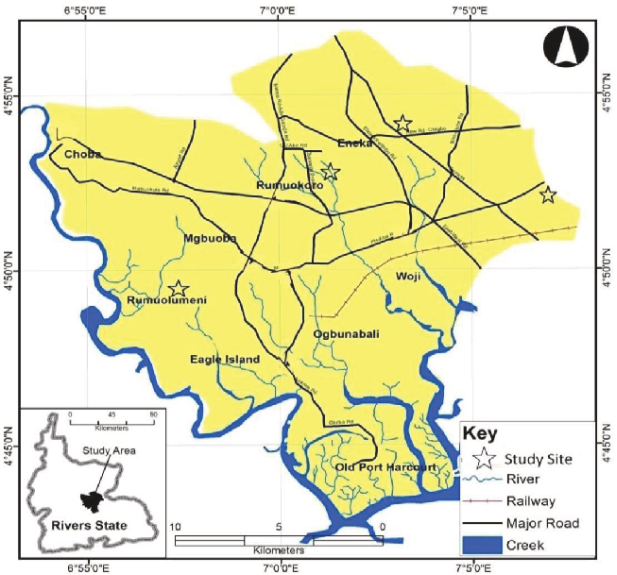
This study was conducted in Port Harcourt Metropolis, Rivers State, Nigeria. Port Harcourt is located within the Niger Delta region at approximately latitude 4.8472° N and longitude 6.9746° E. The city is one of Nigeria’s major commercial and industrial centers and serves as a major hub for agricultural produce distribution, including fresh fruits. Due to its high population density, extensive industrial activities, heavy vehicular traffic, and active market systems, Port Harcourt provides an appropriate setting for assessing the quality and safety of fruits sold for public consumption.
Apple samples were obtained from two major fruit markets within the metropolis: Kaduna Street Fruit Garden Market and Ogbunabali Fruit Market. These markets were selected because they serve as important distribution centers for both imported and locally available fruits and attract a large consumer population.
Figure 1. Map of Port Harcourt Metropolis showing study locations.
Study Design and Sample Collection
A laboratory-based cross-sectional study was conducted between July and December 2025. A total of sixteen (16) apple samples comprising foreign and locally available varieties were collected from the selected markets. Eight samples were obtained from each market, consisting of four foreign apples and four locally available apples.
Samples were purchased directly from vendors using sterile handling procedures to minimize contamination. Each sample was placed in a sterile polyethylene bag, appropriately labelled, and transported to the laboratory in insulated containers. Upon arrival, samples were stored at 4°C and analyzed within 24 hours of collection to preserve their physicochemical characteristics.
Phytochemical Analysis
The phytochemical composition of the apple samples was determined using standard qualitative analytical procedures . Briefly, fruit samples were macerated in ethanol and concentrated using rotary evaporation to obtain crude extracts for analysis.
The extracts were screened for the presence of major phytochemical constituents, including tannins, saponins, alkaloids, flavonoids, glycosides, terpenes, and sterols. Standard qualitative tests involving color changes and precipitate formation were employed to determine the presence or absence of each phytochemical group. The results were recorded and compared between foreign and locally available apple varieties.
Heavy Metal Determination
Heavy metal analysis was performed following the method described by Tegegne . Apple samples were dried, pulverized, and subjected to acid digestion using a combination of nitric acid and hydrochloric acid following dry ashing procedures.
The resulting digests were analyzed for selected heavy metals, namely copper (Cu), cadmium (Cd), chromium (Cr), and lead (Pb), using Atomic Absorption Spectrophotometry (AAS) (ELICO SL-194 Model). Instrument calibration was carried out using reagent blanks and standard reference solutions prior to sample analysis. All analyses were conducted in triplicate to ensure accuracy and reliability of the measurements.
The concentration of each heavy metal in the apple samples was calculated using:
Cm=Cs×VW(1)
Where:
1) Cm= concentration of metal in the sample (mg/kg)
2) Cs= concentration obtained from the Atomic Absorption Spectrophotometer (mg/L)
3) V= final volume of digest (L)
4) W= weight of the sample digested (kg)
Variables Measured
The primary outcome variables were the phytochemical constituents and heavy metal concentrations detected in the apple samples. The phytochemical variables included: Tannins, Saponins, Alkaloids, Flavonoids, Glycosides, Terpenes, and Sterols. The heavy metal variables included: Copper (Cu), Cadmium (Cd), Chromium (Cr) and Lead (Pb).
The principal explanatory variable was apple type, categorized as foreign apples and locally available apples.
Statistical Analysis
Data obtained from the laboratory analyses were entered into Microsoft Excel and analyzed using Statistical Package for Social Sciences (SPSS) version 27. Descriptive statistics, including means, standard deviations, frequencies, and percentages, were used to summarize the data.
The mean concentration of each parameter was calculated as:
x̅=i=1nxin(2)
Where:
1) x̅= sample mean
2) xi= observed value
3) n= number of observations
Results were expressed as mean ± standard deviation.
The standard deviation was calculated using:
SD=i=1n(xi-x̅)2n-1(3)
Where:
1) SD= standard deviation
2) xi= individual observation
3) x̅= sample mean
4) n= sample size
Quality Assurance
To ensure data reliability, all laboratory analyses were performed in triplicate using standardized protocols. Analytical instruments were calibrated prior to use, and all reagents utilized were of analytical grade. Appropriate quality control measures, including the use of blanks and standard solutions, were employed throughout the analytical procedures.
Ethical Considerations
The study did not involve human participants or experimental animals. Apple samples were purchased from publicly accessible fruit markets, and no personal information was collected from vendors. Laboratory procedures were conducted in accordance with standard safety and ethical guidelines for food and environmental analyses.
3. Results
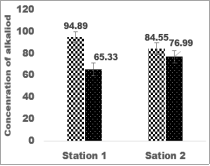
The phytochemical composition of foreign and exotic apples varied across the two sampling stations (Figures 2-7). Alkaloid concentrations were consistently higher in foreign apples than in exotic apples at both stations, with values of 94.89 ± 1.15 mg/kg and 84.55 ± 0.52 mg/kg for foreign apples compared to 65.33 ± 2.64 mg/kg and 76.99 ± 1.31 mg/kg for exotic apples at Stations 1 and 2, respectively. In contrast, flavonoid content was higher in exotic apples, which recorded 65.24 ± 0.14 mg/kg and 75.48 ± 0.54 mg/kg at Stations 1 and 2, respectively, compared to 46.83 ± 0.61 mg/kg and 58.93 ± 0.68 mg/kg in foreign apples.
Glycoside concentrations were generally low and exhibited only slight variations between apple types and stations. Foreign apples recorded slightly higher glycoside levels at Station 1 (21.80 ± 0.80 mg/kg) than exotic apples (19.45 ± 0.19 mg/kg), whereas the reverse was observed at Station 2, where exotic apples (19.68 ± 1.14 mg/kg) marginally exceeded foreign apples (18.68 ± 0.07 mg/kg). Similarly, oxalate concentrations remained relatively low across all samples but were consistently higher at Station 2. Foreign and exotic apples contained 7.14 ± 1.04 mg/kg and 9.78 ± 0.44 mg/kg oxalate, respectively, at Station 1, while concentrations increased to 12.32 ± 0.16 mg/kg and 14.48 ± 0.43 mg/kg, respectively, at Station 2.
Saponin levels were considerably higher in foreign apples than in exotic apples at both stations. Foreign apples recorded 33.77 ± 0.57 mg/kg and 33.72 ± 0.49 mg/kg at Stations 1 and 2, respectively, whereas exotic apples contained 21.51 ± 0.16 mg/kg and 24.81 ± 5.41 mg/kg. Tannin content exhibited the greatest variation among the phytochemicals analyzed. At Station 1, foreign apples had higher tannin concentrations (67.95 ± 0.70 mg/kg) than exotic apples (58.02 ± 0.81 mg/kg). However, at Station 2, exotic apples recorded the highest tannin concentration (85.55 ± 0.32 mg/kg), exceeding that of foreign apples (61.62 ± 0.15 mg/kg).
The observed differences in phytochemical composition between apple types and sampling stations were statistically significant (p < 0.05).
Figure 2. Mean (±SD) Mg/kg Content of Alkaloid Obtained of Foreign and Exotic Apples.
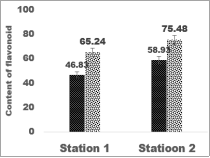
Figure 3. Mean (±SD) Mg/kg Content of Flavonoid Obtained of Foreign and Exotic Apples.
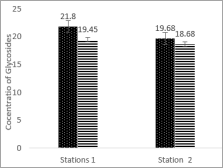
Figure 4. Mean (±SD) Mg/kg Content of Glycoside Obtained of Foreign and Exotic Apples.
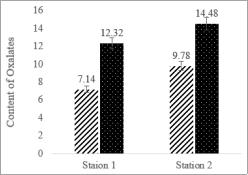
Figure 5. Mean (±SD) Mg/kg Content of Oxalate Obtained of Foreign and Exotic Apples.
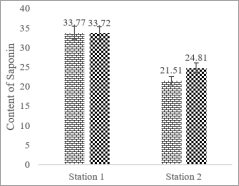
Figure 6. Mean (±SD) Mg/kg Content of Saponins Obtained of Foreign and Exotic Apples.
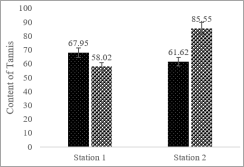
Figure 7. Mean (±SD) Mg/kg Content of Tannins Obtained of Foreign and Exotic Apples.
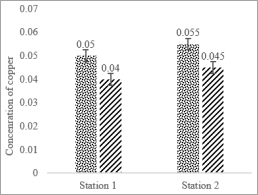
Table 1 presents the summary of phytochemical composition of foreign and exotic apples. Foreign apples contained higher concentrations of alkaloids and saponins across both stations. In contrast, exotic apples consistently recorded higher flavonoid concentrations. Glycoside concentrations were generally low and showed little variation among the samples. Oxalate levels were higher in apples obtained from Station 2, particularly among exotic apples, although the concentrations remained relatively low. Tannin concentrations exhibited the greatest variability, with foreign apples showing higher levels at Station 1, whereas exotic apples recorded the highest tannin content at Station 2. The observed differences were statistically significant (p < 0.05).
Table 1. Summary of phytochemical composition of foreign and exotic apples.

Phytochemical

Foreign (S1)

Exotic (S1)

Foreign (S2)

Exotic (S2)

p-value

Alkaloids

94.89 ± 1.15

76.99 ± 1.31

84.56 ± 0.53

65.33 ± 2.64

<0.05

Flavonoids

46.84 ± 0.61

65.25 ± 0.14

58.94 ± 0.68

75.49 ± 0.55

<0.05

Glycosides

21.80 ± 0.81

19.45 ± 0.19

18.68 ± 0.07

19.69 ± 1.14

<0.05

Oxalates

7.14 ± 1.04

9.78 ± 0.45

12.33 ± 0.17

14.48 ± 0.43

<0.05

Saponins

33.78 ± 0.58

21.51 ± 0.17

33.73 ± 0.49

24.81 ± 5.41

<0.05

Tannins

67.95 ± 0.71

58.03 ± 0.81

61.62 ± 0.16

85.56 ± 0.32

<0.05

Figures 8-11 present the concentrations of selected heavy metals (copper, chromium, cadmium, and lead) in foreign and exotic apples obtained from the two sampling stations. Generally, foreign apples exhibited higher concentrations of all heavy metals than exotic apples across both stations.
Figure 8. Mean (±SD) Mg/kg Concentration of copper in Foreign and Exotic apples.
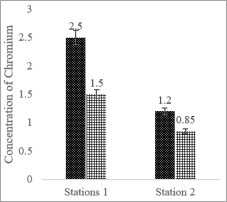
Figure 9. Mean (±SD) Mg/kg Concentration of Chromium in Foreign and Exotic Apples.
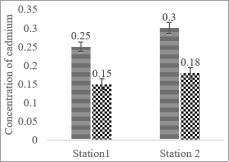
Figure 10. Mean (±SD) Mg/kg Concentration of Cadmium Foreign and Exotic Apples.
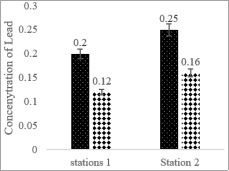
Figure 11. Mean (±SD) Mg/kg Concentration of Lead in Foreign and Exotic Apples.
Copper concentrations were relatively low in all samples, ranging from 0.040 ± 0.010 mg/kg to 0.055 ± 0.010 mg/kg. Foreign apples recorded higher copper levels than exotic apples at both stations, with concentrations of 0.050 ± 0.010 mg/kg and 0.055 ± 0.010 mg/kg at Stations 1 and 2, respectively, compared to 0.040 ± 0.010 mg/kg and 0.045 ± 0.008 mg/kg in exotic apples. These values were below the FAO/WHO permissible limit for fruits, suggesting minimal health risk from copper exposure.
Chromium concentrations were markedly higher in foreign apples than in exotic apples. At Station 1, foreign apples contained 2.50 ± 0.010 mg/kg chromium compared to 1.50 ± 0.010 mg/kg in exotic apples, while at Station 2, concentrations decreased to 1.20 ± 0.015 mg/kg and 0.85 ± 0.010 mg/kg, respectively. Although no specific FAO/WHO permissible limit exists for chromium in fruits, the consistently higher concentrations observed in foreign apples indicate greater metal accumulation.
Cadmium concentrations followed a similar pattern, with foreign apples containing higher levels than exotic apples at both stations. Foreign apples recorded 0.25 ± 0.010 mg/kg and 0.30 ± 0.015 mg/kg at Stations 1 and 2, respectively, while exotic apples contained 0.15 ± 0.010 mg/kg and 0.18 ± 0.012 mg/kg. Notably, cadmium concentrations in foreign apples exceeded the FAO/WHO recommended limit of 0.20 mg/kg, particularly at Station 2, whereas exotic apples remained below the permissible threshold.
Lead concentrations were also higher in foreign apples than in exotic apples. Foreign apples contained 0.20 ± 0.010 mg/kg and 0.25 ± 0.015 mg/kg at Stations 1 and 2, respectively, compared to 0.12 ± 0.010 mg/kg and 0.16 ± 0.012 mg/kg in exotic apples. The concentrations of lead in all samples exceeded the FAO/WHO permissible limit of 0.05 mg/kg for fruits, with foreign apples showing substantially greater exceedances than exotic apples.
The observed differences in heavy metal concentrations between apple types and sampling stations were statistically significant (p < 0.05).
Table 2 presents Heavy metal concentrations of foreign and exotic apples. Copper concentrations in all samples were considerably below the recommended FAO/WHO permissible limit. Chromium concentrations were also higher in foreign apples than in exotic apples.
Cadmium levels in foreign apples exceeded the recommended safety limit in both stations, whereas exotic apples remained below the permissible threshold. Similarly, lead concentrations exceeded the recommended FAO/WHO limit in all apple samples, although the concentrations were markedly higher in foreign apples.
Table 2. Heavy metal concentrations of foreign and exotic apples.

Metal

Foreign (S1)

Exotic (S1)

Foreign (S2)

Exotic (S2)

FAO/WHO Limit

Copper

0.050 ± 0.010

0.040 ± 0.010

0.055 ± 0.010

0.045 ± 0.008

10.00

Chromium

2.50 ± 0.010

1.50 ± 0.010

1.20 ± 0.015

0.85 ± 0.010

ND

Cadmium

0.25 ± 0.010

0.15 ± 0.010

0.30 ± 0.015

0.18 ± 0.012

0.20

Lead

0.20 ± 0.010

0.12 ± 0.010

0.25 ± 0.015

0.16 ± 0.012

0.05

Table 3 presents the total heterotrophic bacterial count of apple samples. At Station 1, the foreign apples recorded a bacterial load of (1.5 × 10⁴ cfu/g), while the Exotic apples had a higher count of (2.8 × 10⁴ cfu/g). A similar trend was observed at Station 2, where the foreign apples had the lowest microbial load of (8 × 10³ cfu/g), whereas the Exotic apples maintained a relatively high count of (1.8 × 10⁴ cfu/g). This consistency across both stations shows that Exotic apples generally carried a heavier microbial load than foreign apples, irrespective of location.
Table 3. Total Heterotrophic Bacterial Count of Apple Samples.

Stations

Foreign Apples (cfu/g)

Exotic Apples (cfu/g)

Station 1

1.5×10⁴

2.8×10⁴

Station 2

8×10³

1.8×10⁴

Table 4 shows the bacteria isolated from apple samples. The bacterial isolates showed clear variations between the apple types and sampling stations. Staphylococcus sp appeared in all samples, making them the most consistently encountered organism on both foreign and Exotic apples across Stations 1 and 2. Bacillus sp were present on both apple types at Station 1 but were found only on the Exotic apples at Station 2, indicating reduced occurrence on foreign apples at that location. At Station 2, the foreign apples also contained Klebsiella sp, which were not detected in any other sample.
The Exotic apples at Station 2 exhibited the highest variety of organisms, Staphylococcus, Bacillus, and Lactobacillus sp, showing a broader range of microbial presence compared to the foreign apples.
Table 4. Bacteria Isolated from Apple Samples.

Stations

Foreign Apples

ExoticApples

Station 1

Staphylococcus sp, Bacillus sp.

Staphylococcus sp, Bacillus sp

Station 2

Staphylococcus sp, Klebsiella sp

Staphylococcus sp, Bacillus sp, Lactobacillus sp

Table 5 shows the morphological characteristics of isolated organisms. The morphological characteristics of the isolated organisms showed distinct features that align with their expected taxonomic groups. Staphylococcus sp appeared as Gram-positive cocci arranged in clusters, producing creamy, circular colonies typical of the genus. Bacillus sp were identified as Gram-positive, rod-shaped bacteria occurring singly or in chains, with visible spore formation and large, irregular colonies, consistent with their known morphology. Klebsiella sp were distinguished by their Gram-negative rod shape, lack of motility, and the characteristic mucoid, glistening colonies associated with capsule production. Lactobacillus sp were observed as Gram-positive rods occurring singly or in chains, forming small, smooth white colonies and lacking spores and motility.
Table 5. Morphological Characteristics of Isolated Organisms.

Organism

Gram Reaction

Cell Shape

Arrangement

Spore Formation

Motility

Colony Appearance

Staphylococcus sp.

Gram-positive

Cocci

Clusters (grape-like)

Non-spore forming

Non-motile

Creamy, circular, convex

Bacillus sp.

Gram-positive

Rods

Single or chains

Spore-forming

Motile

Large, flat, irregular

Klebsiella sp.

Gram-negative

Rods

Single

Non-spore forming

Non-motile

Mucoid, glistening colonies

Lactobacillus sp.

Gram-positive

Rods

Single or chains

Non-spore forming

Non-motile

Small, white, smooth

Table 6 shows the biochemical characteristics of isolated organisms. The biochemical characteristics of the isolated organisms demonstrated patterns consistent with their typical genus traits. Staphylococcus sp were catalase-positive, oxidase-negative, and coagulase-positive, while testing negative for indole and citrate utilization, confirming their classification as catalase-producing, coagulase-variable cocci. Bacillus sp were catalase- and oxidase-positive, coagulase-negative, and tested positive for indole but negative for citrate, reflecting their metabolic versatility and spore-forming nature.
Klebsiella sp were catalase-positive, oxidase- and coagulase-negative, and tested positive for both indole and citrate utilization, characteristics typical of Gram-negative enteric rods. Lactobacillus sp were negative for all the biochemical tests listed, which aligns with their identity as lactic acid bacteria with limited enzyme-mediated reactions. These biochemical profiles support the accurate identification of the bacterial isolates from the apple samples.
Table 6. Biochemical Characteristics of Isolated Organisms.

Organism

Catalase Test

Oxidase Test

Coagulase Test

Indole

Citrate

Staphylococcus sp.

Positive

Negative

Positive

Negative

Negative

Bacillus sp.

Positive

Positive

Negative

Positive

Negative

Klebsiella sp.

Positive

Negative

Negative

Positive

Positive

Lactobacillus sp.

Negative

Negative

Negative

Negative

Negative

4. Discussion
The present study demonstrated notable variations in the phytochemical composition of foreign and exotic apples sold in Port Harcourt metropolis. These differences may be attributed to variations in cultivar characteristics, environmental conditions during cultivation, soil composition, agricultural practices, storage conditions, and post-harvest handling. Such factors have been widely recognized as important determinants of phytochemical accumulation in fruits . Foreign apples exhibited higher alkaloid concentrations than exotic apples. This finding is consistent with reports by Bonface et al. , who observed that phytochemical composition varies considerably among fruit species and production environments. The elevated alkaloid content in foreign apples may be linked to differences in soil nutrient availability, fertilizer application, and genetic characteristics of the cultivars. Alkaloids are known for their antimicrobial, anti-inflammatory, and antioxidant properties; however, their concentration in food products should be monitored because excessive intake may have undesirable physiological effects .
In contrast, exotic apples contained higher levels of flavonoids. This observation agrees with previous studies that identified flavonoid accumulation as a response to environmental stress, sunlight exposure, and metabolic activity during fruit development . Flavonoids are among the most important plant antioxidants and have been associated with reduced oxidative stress, cardiovascular protection, and other health-promoting effects. The higher flavonoid content observed in exotic apples may therefore enhance their nutritional and functional value to consumers.
Furthermore, glycoside concentrations were generally low in both apple types. Similar findings have been reported in other fruit studies, where glycosides constituted only a minor proportion of the overall phytochemical profile . Although present in relatively small amounts, glycosides contribute to the biological activity of fruits and may play supportive roles in their therapeutic potential. Oxalate concentrations were relatively low across all samples. These findings are comparable to those reported by Laraib et al. and suggest that apple consumption is unlikely to contribute substantially to dietary oxalate intake. This is particularly important because excessive oxalate consumption has been associated with kidney stone formation and impaired mineral absorption in susceptible individuals . The low levels detected in this study therefore indicate minimal health concerns regarding oxalate exposure from apple consumption.
The higher saponin content observed in foreign apples corroborates earlier reports by Rathore et al. and Laraib et al. , who identified fruit variety and environmental conditions as important factors influencing saponin accumulation. Saponins are recognized for their cholesterol-lowering, immune-modulating, and antimicrobial properties. Consequently, the relatively higher concentrations observed in foreign apples may contribute positively to their nutritional value, although excessive consumption may occasionally result in gastrointestinal discomfort among sensitive individuals.
Tannin concentrations varied considerably between apple types and sampling locations, suggesting that both environmental and varietal factors may influence their accumulation. Similar variations have been documented in previous studies . Tannins contribute to antioxidant activity and may enhance the microbial stability of fruits. However, excessive dietary tannin intake has been associated with reduced protein digestibility and impaired absorption of certain minerals. The levels observed in this study suggest that apples remain a valuable dietary source of natural antioxidants while maintaining acceptable phytochemical balance.
The heavy metal analysis revealed that foreign apples generally accumulated higher concentrations of copper, chromium, cadmium, and lead than exotic apples. This pattern suggests that production practices, environmental exposure, transportation, and storage conditions may contribute to heavy metal contamination. Long-distance transportation and multiple handling stages may increase opportunities for environmental contamination before the fruits reach consumers.
Copper concentrations in both apple types remained within internationally accepted safety limits for fruits. Similar observations have been reported by Shafie et al. , indicating that copper contamination in apples is generally low and unlikely to pose significant health risks. The slightly elevated concentrations in foreign apples may be associated with the use of copper-based fungicides during cultivation and post-harvest preservation practices, as previously reported by Adebayo et al. . Chromium concentrations were also higher in foreign apples. Although the detected levels do not necessarily indicate immediate toxicity, they suggest greater environmental exposure during production, storage, or transportation. Previous studies have linked elevated chromium concentrations in fruits to industrial emissions, contaminated soils, and atmospheric deposition . Continuous monitoring is therefore warranted to minimize long-term dietary exposure.
Of greater concern were the cadmium concentrations observed in foreign apples, which exceeded recommended international safety limits. Cadmium is a non-essential heavy metal with well-documented toxic effects, including kidney damage and increased cancer risk following prolonged exposure . Similar contamination patterns have been reported in imported fruits marketed in developing countries . The comparatively lower cadmium levels observed in exotic apples may reflect shorter supply chains and reduced exposure to industrial pollutants during production and distribution.
Lead contamination represented the most significant food safety concern identified in this study. Concentrations detected in both foreign and exotic apples exceeded the permissible limits recommended for fruits. Similar findings have been reported in Nigerian markets, where contamination has been linked to vehicular emissions, environmental dust, handling practices, and storage conditions . Chronic exposure to lead, even at low concentrations, may adversely affect neurological, renal, and cardiovascular health . The widespread occurrence of lead contamination observed in this study highlights the need for improved quality control measures throughout fruit production, transportation, and marketing chains.
5. Conclusion and Recommendations
This study evaluated the phytochemical composition, microbial quality, and heavy metal content of foreign and exotic apples sold in selected fruit markets in Port Harcourt Metropolis. The findings revealed notable differences between the two apple categories, demonstrating that fruit quality and safety are influenced by factors related to cultivation, handling, storage, and distribution.
Foreign apples generally contained higher levels of alkaloids and saponins, as well as greater concentrations of the heavy metals copper, chromium, cadmium, and lead. These findings suggest that cultivation conditions, agricultural inputs, post-harvest treatments, and transportation processes may contribute to the accumulation of these compounds. In contrast, exotic apples exhibited higher concentrations of flavonoids and tannins, indicating a potentially greater antioxidant capacity and nutritional value.
The microbiological assessment showed that exotic apples harboured higher bacterial loads and a wider diversity of bacterial species than foreign apples. The detection of organisms such as Staphylococcus spp., Bacillus spp., Klebsiella spp., and Lactobacillus spp. indicates that market handling practices, environmental exposure, and storage conditions may influence microbial contamination. Although some of these organisms are commonly associated with environmental sources, the presence of potentially pathogenic bacteria raises concerns regarding food safety.
Heavy metal analysis further revealed that foreign apples accumulated higher levels of cadmium and lead, with some concentrations exceeding internationally recommended limits for fruits. This finding highlights the need for continuous monitoring of fruit quality to protect consumers from long-term exposure to toxic metals.
Based on the findings of this study, the following recommendations are proposed:
1) Stakeholders involved in fruit production, transportation, packaging, and marketing should adopt measures that minimize contamination from environmental pollutants and packaging materials, especially for lead and cadmium.
2) Vendors should adopt good hygienic practices, including the use of clean display surfaces, proper fruit handling techniques, and protection of fruits from dust and environmental contaminants to reduce microbial contamination.
3) Apples should be stored under appropriate temperature conditions and protected from prolonged exposure to environmental contaminants during marketing and distribution.
4) Periodic microbiological and chemical assessments of fruits sold in local markets should be conducted to monitor contamination trends and guide evidence-based public health interventions.
6. Strengths and Limitations
A major strength of this study is its comprehensive assessment of apple quality through the integration of phytochemical, microbiological, and heavy metal analyses. The comparative evaluation of foreign and exotic apples across two market locations provides valuable information on the nutritional and safety characteristics of apples available to consumers in Port Harcourt Metropolis.
However, the study has some limitations. The relatively small sample size and restriction to two sampling stations may limit the generalizability of the findings to other markets and geographical locations. In addition, the study relied on conventional culture-based microbial identification methods, which may not detect all microbial species present in the samples. Furthermore, only selected heavy metals were analysed, and the study did not assess dietary exposure levels or associated health risks among consumers.
Despite these limitations, the findings provide important baseline data on the quality and safety of apples marketed in Port Harcourt Metropolis and contribute to the growing body of evidence needed to strengthen food safety monitoring and consumer protection initiatives.
Abbreviations

Cu

Copper

Cd

Cadmium

Cr

Chromium

Pb

Lead

AAS

Atomic Absorption Spectrophotometry

Acknowledgments
The authors acknowledge the support and academic contribution of Ignatius Ajuru University of Education, Rumuolumeni, Port Harcourt, Nigeria during this research.
Author Contributions
Victor Naomi Imomotimi: Conceptualization, Formal Analysis, Investigation, Methodology, Visualization, Writing – original draft, Writing – review & editing
Kurokeyi Ebimene Teddy: Formal Analysis, Investigation, Methodology, Resources, Writing – review & editing
Olatunde Raimi: Formal Analysis, Methodology, Visualization, Writing – review & editing
Conflicts of Interest
The authors have declared that no competing interests exist.
References
[1] Cornille, A., Giraud, T., Smulders, M. J. M., Roldán-Ruiz, I., & Gladieux, P. (2019). The domestication and evolutionary ecology of apples. Trends in Genetics, 35(6), 406-417.
[2] FAOSTAT. (2023). Apples production data. Food and Agriculture Organization of the United Nations.
[3] Yahia, E. M., García-Solís, P., & Celis, M. E. M. (2019). Contribution of fruits and vegetables to human nutrition and health. In Postharvest physiology and biochemistry of fruits and vegetables (pp. 19-45). Woodhead Publishing.
[4] Rohith, K. K., Satish, S., & Shabaraya, A. R. (2019). A review on pharmacological activities of (Hybrid Parentage) Malus domestica × M. sylvestris (Green Apple). International Journal of Pharmacy and Chemical Research, 5(2), 10-13.
[5] Gayer, B. A., Avendano, E. E., Edelson, E., Nirmala, E., Johnson, E. J., & Raman, G. (2019). Effects of intake of apples, pears, or their products on cardiometabolic risk factors and clinical outcomes: A systematic review and meta-analysis. Current Developments in Nutrition, 3(10), nzz109.
[6] Guo, X. F., Yang, B., Tang, J., Jiang, J. J., & Li, D. (2017). Apple and pear consumption and type 2 diabetes mellitus risk: A meta-analysis of prospective cohort studies. Journal of Functional Foods, 40, 353-368.
[7] Mariya, A., Haruna, A. H., & Babangida, A. Z. (2020). Phytochemical analysis of some selected indigenous fruits collected from Lokogoma-Abuja, Nigeria. Journal of Diseases and Medicinal Plants, 6(2), 50-55.
[8] Edeoga, H. O., Okwu, D. E., & Mbaebie, B. O. (2005). Phytochemical constituents of some Nigerian medicinal plants. African Journal of Biotechnology, 4(7), 685-688.
[9] Muscolo, A., Mariateresa, O., Giulio, T., & Mariateresa, R. (2024). Oxidative stress: The role of antioxidant phytochemicals in the prevention and treatment of diseases. International Journal of Molecular Sciences, 25(6), 3264.
[10] Ayodeji, B. O., Zinash, A. B., Asanda, M., & Oluwafemi, J. (2022). An apple a day keeps the doctor away: The potentials of apple bioactive constituents for chronic disease prevention. Journal of Food Science, 87(6), 2291-2309.
[11] Tiwari, U., & Cummins, E. (2013). Factors influencing levels of phytochemicals in selected fruit and vegetables during pre- and post-harvest food processing operations. Food Research International, 50(2), 497-506.
[12] Sehic, J., Köksal, E. S., Kurt, S., Kurt, A., & Gulen, H. (2022). Phenological characteristics and fruit quality of apple cultivars grown in a temperate zone. Horticulture Research, 9, uhac084.
[13] Ali, H., & Khan, E. (2018). What are heavy metals? Long-standing controversy over the scientific use of the term “heavy metals”: Proposal of a comprehensive definition. Toxicological & Environmental Chemistry, 100(1), 6-19.
[14] Mishra, S., Bharagava, R. N., More, N., Yadav, A., Zainith, S., Mani, S., & Chowdhary, P. (2019). Heavy metal contamination: An alarming threat to environment and human health. In Environmental Biotechnology for Sustainable Future (pp. 103-125).
[15] Rahman, Z., & Singh, V. P. (2019). The relative impact of toxic heavy metals on the total environment: An overview. Environmental Monitoring and Assessment, 191, 419.
[16] Onakpa, M. M., Njan, A. A., & Kalu, O. C. (2018). A review of heavy metal contamination of food crops in Nigeria. Annals of Global Health, 84(3), 488-494.
[17] Jaishankar, M., Tseten, T., Anbalagan, N., Mathew, B. B., & Beeregowda, K. N. (2014). Toxicity, mechanism and health effects of some heavy metals. Interdisciplinary Toxicology, 7(2), 60-72.
[18] Ametepey, S. T., Cobbina, S. J., Akpabey, F. J., Duwiejuah, A. B., & Abuntori, Z. N. (2018). Health risk assessment and heavy metal contamination levels in vegetables from Tamale Metropolis, Ghana. International Journal of Food Contamination, 5(5).
[19] Gillis, B. S., Arbieva, Z., & Gavin, I. M. (2012). Analysis of lead toxicity in human cells. BMC Genomics, 13, 344.
[20] Pechova, A., & Pavlata, L. (2007). Chromium as an essential nutrient: A review. Veterinary Medicine, 52, 1-18.
[21] Silva, C. S., Moutinho, C., Ferreira da Vinha, A., & Matos, C. (2019). Trace minerals in human health: Iron, zinc, copper, manganese and fluorine. International Journal of Science and Research Methodology, 13(3), 57-80.
[22] Adebayo, A. A., & Adedayo, V. T. (2022). Fruit production and distribution in Nigeria: Trends and challenges. Journal of Agriculture and Food Research, 9(2), 112-119.
[23] Ajani, E. N., & Alabi, T. M. (2020). Emerging fruit farming trends in Nigeria: Apple cultivation in Plateau State. Nigerian Journal of Agriculture and Food Environment, 16(1), 72-78.
[24] Akinbile, L. A., Oladoja, M. A., & Adekunle, I. A. (2015). Constraints to apple production in Nigeria. Journal of Agricultural Extension, 19(3), 30-40.
[25] Nwankwo, C. N., Amadi, B. O., & Nduka, I. A. (2020). Urban markets and agricultural commodity distribution in Port Harcourt Metropolis, Nigeria. International Journal of Urban and Regional Studies, 7(1), 45-53.
[26] Nsemo, A. D. (2019). Health problems associated with urbanization and industrialization. International Journal of Innovative Research and Advanced Studies, 6(1), 149-157.
[27] Adebayo, B. C., Oladipo, T. A., & Adekunle, I. M. (2019). Comparative assessment of heavy metal concentrations in imported and locally produced fruits in southwestern Nigeria. Journal of Environmental Chemistry and Ecotoxicology, 11(3), 42-51.
[28] Okoye, C. O., & Obi, C. C. (2021). Heavy metal residues in imported fruits sold in major markets of Eastern Nigeria. Toxicology Reports, 8, 215-222.
[29] Al-Jassabi, S., & Ahmed, I. (2018). Assessment of heavy metals in commonly consumed fruits in Sudan and potential health risks. International Journal of Environmental Research and Public Health, 15(9), 1880.
[30] Othman, O. C. (2021). Heavy metal contamination in fruits and vegetables grown in peri-urban farms: A case study from Tanzania. Scientific African, 12, e00834.
[31] Tegegne, W. A. (2015). Analysis of heavy metal levels in some edible fruits from selected markets in Ethiopia. Journal of Modern Chemistry and Chemical Technology, 6(1), 1-8.
[32] Liu, R. H. (2013). Health-promoting components of fruits and vegetables in the diet. Advances in Nutrition, 4(3), 384S–392S.
[33] Bonface, M., Ibrahim, C., David, T. T., John, F. K., Friday, F. F. M., & Felix, D. K. (2023). Phytochemical composition and antioxidant activity of edible wild fruits from Malawi. BioMed Research International, 2023, 1-9.
[34] Mohamed, G. S., Marwa, M. A., Nourhan, M. E., & Sobhy, A. E. (2021). Nutritional, phytochemical, and in vitro anticancer potential of sugar apple (Annona squamosa) fruits. Scientific Reports, 11, 6224.
[35] Dabesor, A. P., Asowata-Ayodele, A. M., & Umoiette, P. (2017). Phytochemical compositions and antimicrobial activities of Ananas comosus peel and Cocos nucifera kernel on selected food-borne pathogens. American Journal of Plant Biology, 2(2), 73-76.
[36] Muchuweti, M., Ndhlala, A. R., & Kasiamhuru, A. (2006). Analysis of phenolic compounds including tannins, gallotannins and flavanols of Uapaca kirkiana fruit. Food Chemistry, 94(3), 415-419.
[37] Laraib, S., Sharif, S., Bibi, Y., Nisa, S., Aziz, R., & Qayyum, A. (2020). Phytochemical analysis and some bioactivities of leaves and fruits of Myrsine africana Linn. Arabian Journal for Science and Engineering, 46(1), 53-63.
[38] Marc, P. M. (2017). Dietary fiber is beneficial for the prevention of cardiovascular disease: An umbrella review of meta-analyses. Journal of Chiropractic Medicine, 16(4), 289-299.
[39] Rathore, S. K., Bhatt, S. H., Dhyani, S., & Jain, A. (2012). Preliminary phytochemical screening of medicinal plant Ziziphus mauritiana Lam. fruits. International Journal of Current Pharmaceutical Research, 4(3), 160-162.
[40] Sarkingobir, Y., Hamza, A., Dikko, M., Abubakar, M., Yabo, A. G., & Muhammad, B. I. (2022). Antibacterial study of guava leaves on some enteric bacteria (E. coli and Shigella dysenteriae) from Sokoto, Nigeria. International Research Journal of Science, Technology, Education and Management, 2(4), 56-65.
[41] Shafie, N. A., Aris, A. Z., Zainuddin, F. F., & Haris, H. (2017). Copper and other metal residues in imported apples sold in Malaysian markets. Food Additives & Contaminants: Part B, 10(3), 188-194.
[42] Gowd, S. S., Reddy, M. R., & Govil, P. K. (2010). Assessment of heavy metal contamination in soil at Jajmau and Unnao industrial areas of the Ganga plain, Uttar Pradesh, India. Journal of Hazardous Materials, 174, 113-121.
[43] Adegbola, R. A., Oguntona, C. R. B., & Adewuyi, G. O. (2020). Heavy metal contamination in fruits and vegetables sold in major markets of Lagos, Nigeria. Environmental Monitoring and Assessment, 192(5), 318.
[44] García-Rico, L., Leyva-Perez, J., & Jara-Marini, M. E. (2007). Content and daily intake of copper, zinc, lead, cadmium, and mercury from dietary supplements in Mexico. Food and Chemical Toxicology, 45, 1599-1605.
Cite This Article
  • APA Style

    Imomotimi, V. N., Teddy, K. E., Raimi, O. (2026). Phytochemical and Heavy Metal Profiles of Foreign and Exotic Apples Sold in Port Harcourt, Nigeria. Journal of Food and Nutrition Sciences, 14(4), 229-240. https://doi.org/10.11648/j.jfns.20261404.12

    Copy | Download

    ACS Style

    Imomotimi, V. N.; Teddy, K. E.; Raimi, O. Phytochemical and Heavy Metal Profiles of Foreign and Exotic Apples Sold in Port Harcourt, Nigeria. J. Food Nutr. Sci. 2026, 14(4), 229-240. doi: 10.11648/j.jfns.20261404.12

    Copy | Download

    AMA Style

    Imomotimi VN, Teddy KE, Raimi O. Phytochemical and Heavy Metal Profiles of Foreign and Exotic Apples Sold in Port Harcourt, Nigeria. J Food Nutr Sci. 2026;14(4):229-240. doi: 10.11648/j.jfns.20261404.12

    Copy | Download

  • @article{10.11648/j.jfns.20261404.12,
      author = {Victor Naomi Imomotimi and Kurokeyi Ebimene Teddy and Olatunde Raimi},
      title = {Phytochemical and Heavy Metal Profiles of Foreign and Exotic Apples Sold in Port Harcourt, Nigeria},
      journal = {Journal of Food and Nutrition Sciences},
      volume = {14},
      number = {4},
      pages = {229-240},
      doi = {10.11648/j.jfns.20261404.12},
      url = {https://doi.org/10.11648/j.jfns.20261404.12},
      eprint = {https://article.sciencepublishinggroup.com/pdf/10.11648.j.jfns.20261404.12},
      abstract = {Apples are among the most widely consumed fruits globally due to their nutritional value and abundance of bioactive compounds. However, environmental contamination, agricultural practices, transportation, and storage conditions may influence both their phytochemical composition and heavy metal accumulation, thereby affecting their nutritional quality and safety. This study assessed the phytochemical constituents and heavy metal concentrations of foreign and exotic apples marketed in Port Harcourt Metropolis, Rivers State, Nigeria. A laboratory-based cross-sectional study was conducted between July and December 2025 in two major fruit markets within Port Harcourt Metropolis (Kaduna Street Fruit Garden Market and Ogbunabali Fruit Market). A total of sixteen (16) apple samples comprising foreign and exotic varieties were collected and analyzed. Standard phytochemical analytical procedures were employed to determine the concentrations of alkaloids, flavonoids, glycosides, oxalates, saponins, and tannins. Heavy metal concentrations, including copper (Cu), chromium (Cr), cadmium (Cd), and lead (Pb), were determined using Atomic Absorption Spectrophotometry (AAS) following acid digestion. Data were analyzed using SPSS version 27, and results were expressed as mean ± standard deviation. Statistical significance was set at p < 0.05. Foreign apples exhibited higher concentrations of alkaloids (94.89 ± 1.15 mg/kg and 84.55 ± 0.52 mg/kg), saponins (33.77 ± 0.57 mg/kg and 33.72 ± 0.49 mg/kg), and glycosides (21.80 ± 0.80 mg/kg and 18.68 ± 0.07 mg/kg) across the two sampling stations. Conversely, exotic apples contained higher flavonoid concentrations (65.24 ± 0.14 mg/kg and 75.48 ± 0.54 mg/kg) and tannins at Station 2 (85.55 ± 0.32 mg/kg). Oxalate levels remained relatively low in all samples. Heavy metal analysis revealed consistently higher concentrations of copper, chromium, cadmium, and lead in foreign apples compared with exotic apples. Cadmium concentrations in foreign apples at Station 2 (0.30 ± 0.015 mg/kg) exceeded the recommended international safety limit of 0.20 mg/kg, while lead concentrations in both apple varieties exceeded the permissible limit of 0.05 mg/kg. Significant differences were observed between apple types and sampling locations for most phytochemical and heavy metal parameters (p < 0.05). Both foreign and exotic apples marketed in Port Harcourt possess valuable phytochemical constituents that may contribute to their nutritional and health-promoting properties. However, the elevated concentrations of cadmium and lead detected in some samples raise important food safety concerns. Routine monitoring of heavy metal contamination in fruits, strengthened quality control measures, and improved agricultural and post-harvest handling practices are recommended to ensure consumer safety and maintain fruit quality.},
     year = {2026}
    }
    

    Copy | Download

  • TY  - JOUR
    T1  - Phytochemical and Heavy Metal Profiles of Foreign and Exotic Apples Sold in Port Harcourt, Nigeria
    AU  - Victor Naomi Imomotimi
    AU  - Kurokeyi Ebimene Teddy
    AU  - Olatunde Raimi
    Y1  - 2026/07/22
    PY  - 2026
    N1  - https://doi.org/10.11648/j.jfns.20261404.12
    DO  - 10.11648/j.jfns.20261404.12
    T2  - Journal of Food and Nutrition Sciences
    JF  - Journal of Food and Nutrition Sciences
    JO  - Journal of Food and Nutrition Sciences
    SP  - 229
    EP  - 240
    PB  - Science Publishing Group
    SN  - 2330-7293
    UR  - https://doi.org/10.11648/j.jfns.20261404.12
    AB  - Apples are among the most widely consumed fruits globally due to their nutritional value and abundance of bioactive compounds. However, environmental contamination, agricultural practices, transportation, and storage conditions may influence both their phytochemical composition and heavy metal accumulation, thereby affecting their nutritional quality and safety. This study assessed the phytochemical constituents and heavy metal concentrations of foreign and exotic apples marketed in Port Harcourt Metropolis, Rivers State, Nigeria. A laboratory-based cross-sectional study was conducted between July and December 2025 in two major fruit markets within Port Harcourt Metropolis (Kaduna Street Fruit Garden Market and Ogbunabali Fruit Market). A total of sixteen (16) apple samples comprising foreign and exotic varieties were collected and analyzed. Standard phytochemical analytical procedures were employed to determine the concentrations of alkaloids, flavonoids, glycosides, oxalates, saponins, and tannins. Heavy metal concentrations, including copper (Cu), chromium (Cr), cadmium (Cd), and lead (Pb), were determined using Atomic Absorption Spectrophotometry (AAS) following acid digestion. Data were analyzed using SPSS version 27, and results were expressed as mean ± standard deviation. Statistical significance was set at p < 0.05. Foreign apples exhibited higher concentrations of alkaloids (94.89 ± 1.15 mg/kg and 84.55 ± 0.52 mg/kg), saponins (33.77 ± 0.57 mg/kg and 33.72 ± 0.49 mg/kg), and glycosides (21.80 ± 0.80 mg/kg and 18.68 ± 0.07 mg/kg) across the two sampling stations. Conversely, exotic apples contained higher flavonoid concentrations (65.24 ± 0.14 mg/kg and 75.48 ± 0.54 mg/kg) and tannins at Station 2 (85.55 ± 0.32 mg/kg). Oxalate levels remained relatively low in all samples. Heavy metal analysis revealed consistently higher concentrations of copper, chromium, cadmium, and lead in foreign apples compared with exotic apples. Cadmium concentrations in foreign apples at Station 2 (0.30 ± 0.015 mg/kg) exceeded the recommended international safety limit of 0.20 mg/kg, while lead concentrations in both apple varieties exceeded the permissible limit of 0.05 mg/kg. Significant differences were observed between apple types and sampling locations for most phytochemical and heavy metal parameters (p < 0.05). Both foreign and exotic apples marketed in Port Harcourt possess valuable phytochemical constituents that may contribute to their nutritional and health-promoting properties. However, the elevated concentrations of cadmium and lead detected in some samples raise important food safety concerns. Routine monitoring of heavy metal contamination in fruits, strengthened quality control measures, and improved agricultural and post-harvest handling practices are recommended to ensure consumer safety and maintain fruit quality.
    VL  - 14
    IS  - 4
    ER  - 

    Copy | Download

Author Information